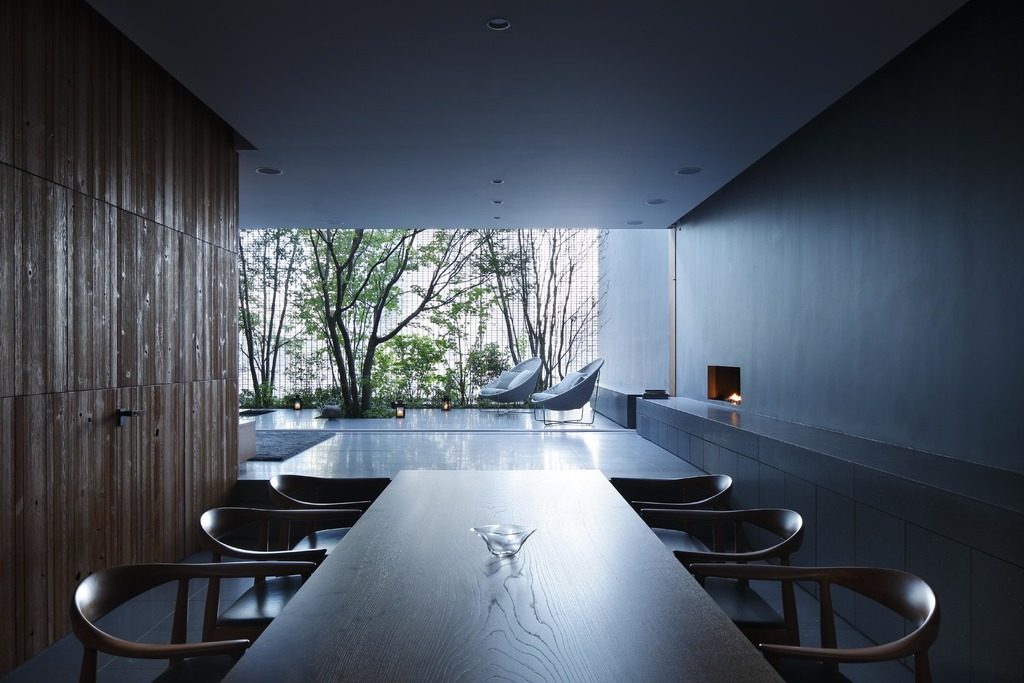
Few changes transform a home like a wall of glass. Daylight floods in, rooms feel larger and the landscape becomes part of the interior. The key is to plan it so the room stays comfortable in every season.
Choose the view before the window
Begin by standing in the room and noticing what you want to see: trees, water, mountains or a private garden. Position large glazing to frame those views and use smaller or higher windows where you want privacy or need to hide a neighbour.
Insist on high-performance glazing
In a cool, wet climate, the glass itself does most of the work. Look for:
- Insulated units with low-emissivity coatings to keep warmth inside
- Warm-edge spacers that reduce condensation around the frame
- Thermally broken frames in aluminium, timber or fibreglass
- Safety glass wherever panes reach the floor or sit near doors
A well-specified glass wall should feel as comfortable to sit beside on a winter evening as any solid wall in the house.
Respect the structure
Opening up a wall often means removing support. Beams, posts and foundations may need to change, and a structural engineer should be part of the plan from the start. This is also the moment to think about drainage and flashing, so rain is directed away from the new opening.
Balance light, heat and glare
Deep roof overhangs, exterior shades or carefully chosen tints can soften strong summer sun, while interior blinds or sheer curtains add privacy after dark. Underfloor heating near the glass keeps the edge of the room cosy when temperatures drop.
Let the interior echo the view
Natural materials, quiet colours and simple furniture let the outdoors take centre stage. Dark walls can make a view glow like a painting, while pale timber and stone help a room feel continuous with the garden beyond.
Thinking about larger windows or a new glass wall? We can help you weigh the options and design an opening that looks beautiful and performs well for years.